




Concerned about your child’s nutrition?
PediaSure® nutritional supplements provide complete, balanced nutrition to help support kids’ growth and development.
Each bottle provides:
 vitamins and minerals
 protein
 DHA
DHA


With DHA, 9 g of protein, and vitamins and minerals

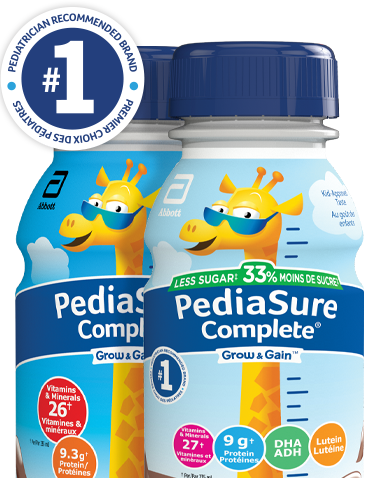
With DHA, 9 g of protein, and vitamins and minerals
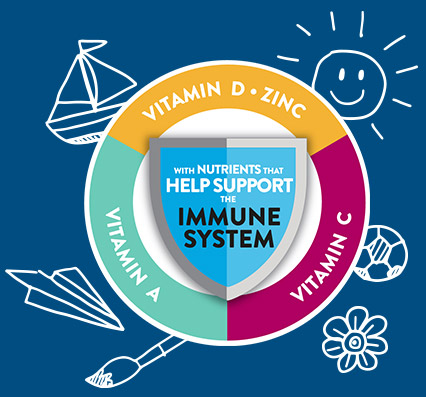
PediaSure® provides complete nutrition, with protein, vitamins, and minerals. This includes zinc and vitamins A, C, and D, which are important to help keep the immune system running smoothly.
Why PediaSure®


Concerned about your child’s nutrition?
PediaSure® nutritional supplements provide complete, balanced nutrition to help support kids’ growth and development.
Each bottle provides:
 vitamins and minerals
 protein
 DHA
DHA

Parenting isn’t a science, but nutrition is. Here’s a crash course on child development, nutrition, and more.

Mealtime can be challenging. Discover our tips to help instill lifelong healthy eating habits in your little ones.

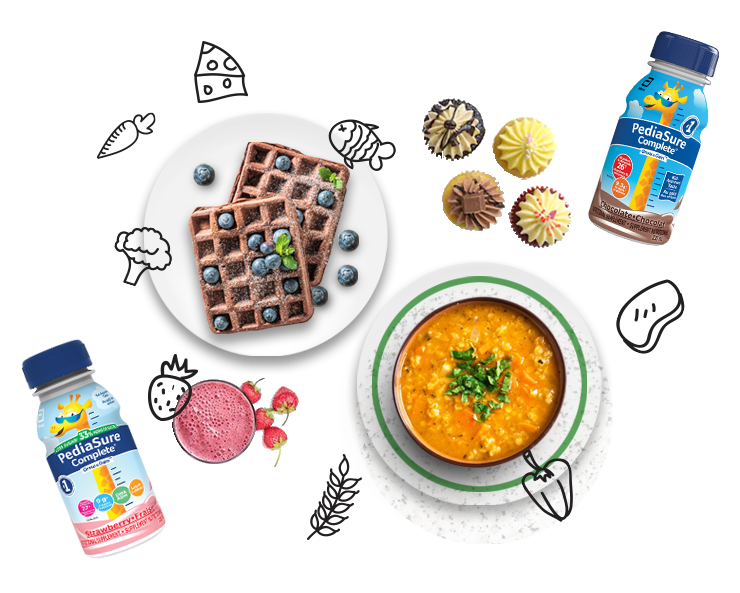
Learn new recipes
Discover our delicious and healthy recipes that will help you add the nutritious benefits of PediaSure® to your child’s meals. Meal and snack ideas kids will love.


 My son, Oliver, caught up to his growth curve in just a few months. PediaSure ® provided him with a complete, balanced nutrition and helped him grow.

Between soccer and swim practice, my two boys love to have PediaSure ® on the go to stay energized during the day and satisfy their hunger!

My daughter stays energized during a day out at the pumpkin patch with a delicious bottle of Vanilla PediaSure Complete ® !



Sign up to save up to $50‡ on PediaSure® and receive valuable tips and great-tasting recipe ideas.


CATEGORIES


Abbott Canada
8625 Transcanada Highway
Saint-Laurent, Quebec
Canada H4S 1Z6

Copyright © 2022 Abbott Laboratories Co., Saint-Laurent, Quebec. All Rights Reserved.